Online German courses for your company

Language training for specialists, teams and interface roles in technical fields, industry, automotive, services and administration – practical and precisely tailored to your processes. Suitable for companies in Germany, Austria and Hungary that want to prepare non-native German-speaking employees specifically for professional communication in German.

What you can achieve with the courses
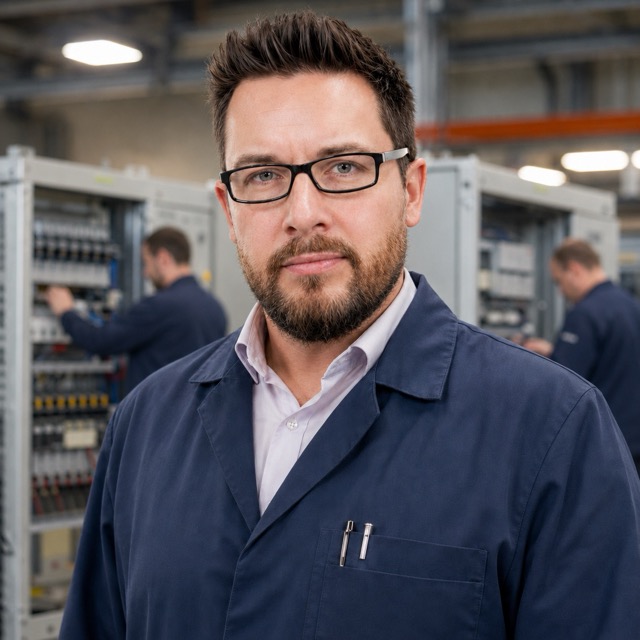
More stable workflows

Instructions, changes, and safety requirements are understood and implemented. Follow-up questions are clearer, and errors caused by misunderstandings decrease.

Better use of existing skilled staff

International employees can contribute their qualifications earlier and more comprehensively – within the team, in meetings, in documentation, and in direct contact with customers or partners.

Better coordination between locations

Especially in companies with German or Austrian links, more precise German helps clarify requirements, changes, feedback and decisions more quickly.

A more professional external image

Your professionals communicate more confidently and more structurally with customers, clients, suppliers, and partners – orally and in writing.

Why these courses are not “off the shelf”

Technical background instead of a textbook perspective

The courses are delivered by Ing. Andrási:
Native language: German
Also speaks English and intermediate-level Hungarian
Engineering training in Austria (electrical engineering)
Several years of professional experience as a German teacher abroad (Hungary)
Direct collaboration with German-learning professionals from production, engineering, and office environments

This means:
No one reads out of a textbook here. Your employees work with someone who can classify operational workflows, plans, reports, and documentation professionally and prepare them linguistically so that they are understandable for non-native speakers and usable in day-to-day work.

International experience and practical language sensitivity

During his training, Ing. Andrási learned English and Latin, and abroad then learned another foreign language from scratch. He knows the challenges of language learning as both a learner and a teacher. The aim in class is not to treat employees “like students”, but to take them seriously in their professional roles. The goal is to give them linguistic tools that help them communicate more confidently in everyday professional situations – whether on the shop floor, on the ward, in the office, or with customers.

Focus on structures and understanding – not on grammar lists

The goal is not to memorize grammar tables, but functional language in the workplace:
targeted work with sentence patterns that are constantly needed in everyday work (e.g. instructions, reports, follow-up questions, justifications),
consolidating grammar so that structures are understood and used confidently,
practice with real situations from your company and from everyday life, not with unrealistic textbook dialogues.

Target groups and possible modules

The following modules are examples – each measure is tailored in detail to your company, your sector, and the participants’ language level.

Automotive, quality and technical interfaces

For employees in automotive companies, supplier companies and technical areas who regularly communicate with German-speaking locations, customers or suppliers.

Typical focus areas:
formulating and answering technical questions clearly
describing deviations, complaints and corrective actions objectively
conducting meetings with German or Austrian colleagues more confidently
documenting results, changes and open points clearly

Team leads, shift supervisors, coordination

For employees with leadership or coordination tasks – in operational areas, services, and administration.

Typical focus areas:
Explain tasks, set priorities, answer questions
Give feedback on errors without escalating situations
Coordination with other departments or professional groups
Write short reports and emails

Specialists and project staff in knowledge-intensive areas

For engineers, technicians, IT and office staff, and comparable roles.

Typical focus areas:
Argue clearly in meetings and summarize decisions
Write professional emails, short reports, and documentation
Describe matters so that other areas can understand them
Communication with customers, clients, suppliers, and internal specialist departments
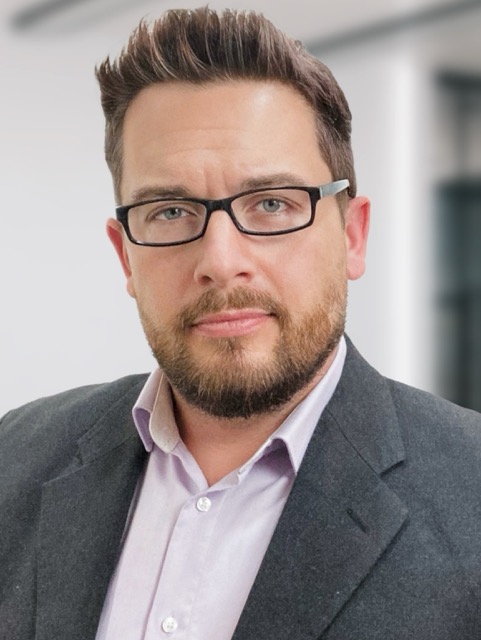
Individual language training – personal, practical, effective

Participants in my courses are in the middle of working life. They need German where it matters in day-to-day operations: in meetings, short updates, simple notes, and conversations with colleagues, supervisors, or customers – not in artificial textbook situations where they learn for the third time how to separate waste or buy a ticket for a boat trip on Lake Constance.

On this basis, I have been working for years with professionals from industry, logistics, engineering, administration, and many other areas. My engineering training in electrical engineering and my teaching practice abroad help me understand operational processes and linguistic hurdles alike.

The goal is not that your employees memorize as many rules as possible, but that they have a resilient foundation of frequently used sentence components that they can draw on in everyday work and adapt to the specific situation. When language is no longer perceived as a risk but as a tool, feedback and questions become more natural, internal tension decreases, and work becomes noticeably easier.

Free information package for companies

Request the information package for corporate German training

I will send you my information package without obligation, with useful information about German training for technicians, specialists and managers.

Directly by email
Technical roles, specialists and teams
No obligation
Title

How the collaboration works

Companies approach continuing education very differently. These differences are taken into account. Which solution fits your company – tailored company courses or conversation-focused B1–C1 courses – is agreed together in the orientation call.
1. Orientation call

In an initial, non-binding conversation we clarify:

Which areas and tasks in the company cause language-related problems?
Which groups of employees should be trained (role, area of responsibility, existing knowledge)?
Which time windows are realistic (working hours, shift work, evening sessions)?
Whether company-specific modules or language-focused courses by level make more sense.

2. Placement and detailed concept

Determine the current state

short placement of the intended participants (written or brief oral)
selection or development of a module with clear goals
coordination with you: content, duration, frequency, organizational details

3. Delivery and ongoing adjustment

The training can begin

regular live online sessions with preparatory tasks
work with examples from your company or your institution
adjustment of focus areas if, over the course, certain situations prove more important than originally assumed

4. Progress and feedback

You keep the overview

In the shared online document you can see what was covered during the live sessions.
If desired, a short review meeting after completion of a module or package

Contact me for a non-binding consultation

A short orientation call will show which form of cooperation suits your company. You briefly describe your situation and goals; I outline suitable course options and framework conditions. Afterwards you can decide in peace whether and how you would like to start.

Let’s get in touch

I will reply as soon as possible.

Take the first step and request information or send me a message directly